
A free editor with useful tools
We make Chart Cottage. Rival facts were read on 21 November 2026. Read the dated snapshot.
FlossCross is free and works without any registration. Its recorded palette has 498 DMC flosses. It includes confetti correction, half and petite stitches and PDF and OXS export. Those are practical reasons to stay if they fit the design you are making.
The snapshot also records that Pixel-Stitch and FlossCross all keep the photo on the device. Privacy is shared here. The decision is about editing, output and how you want to work, rather than a claim that a browser must upload your picture.
| What to check | Recorded rival facts | Chart Cottage |
|---|---|---|
| Stitch types | half and petite stitches | Full, half, quarter and three-quarter stitches, backstitch and French knots. |
| Exports | PDF and OXS export | Colour, black-and-white and Pattern Keeper PDFs. No OXS export. |
| Payment | free; without any registration |
See what the sunflower asks of a converter
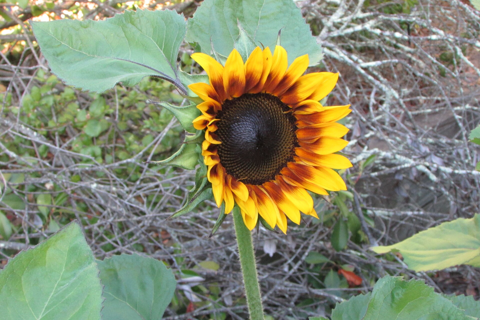
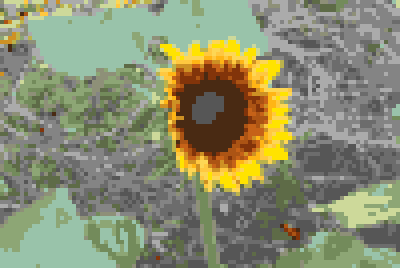
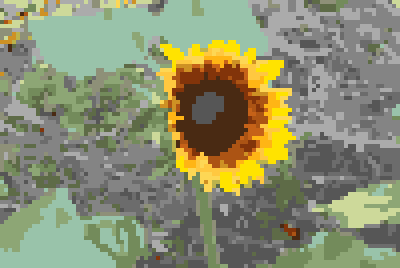
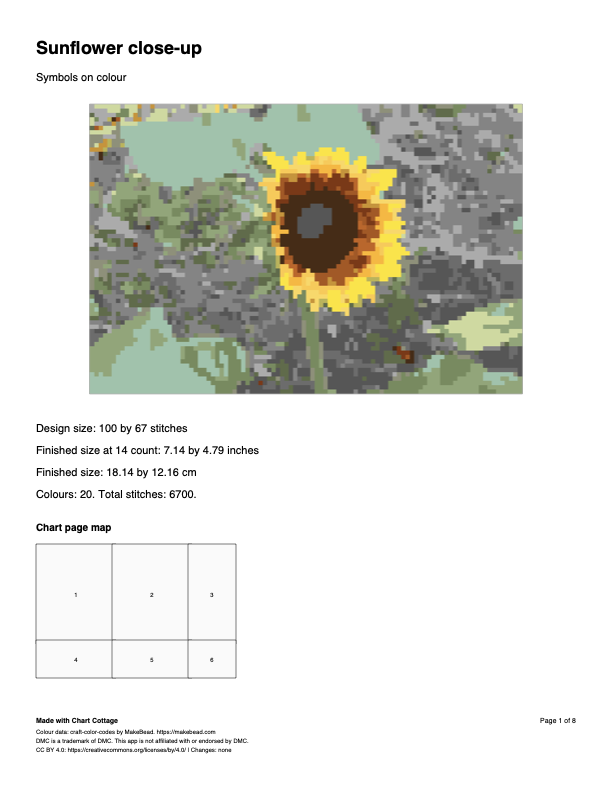
The seed head is made of many small dark and light changes. At this chart size those changes make scattered stitches. Our before and after views show the same starting grid with clean-up applied. The colour count stays visible beside the confetti figures so you can see that a calmer chart is not simply a promise to buy fewer shades.
Follow the edge of a petal and the border of the seed head. Decide which small marks describe the flower and which only make the background harder to stitch. These are measured Chart Cottage results, with no FlossCross conversion beside them. They cannot prove that our clean-up is stronger or that its colours are more accurate.
Keep a route back to the original design
An exchange format can matter when you move charts between editors. Check whether the next tool can read your existing file and preserve the stitch types you used. A printable PDF and an editable project do different jobs. Keep both when you can.
Test a small section before moving a finished design. Include any unusual stitch types and inspect the exported chart. For a photo project, try a crop as well as the whole image. A plain background can remove work at the source. Compare thread codes, symbols and page joins on paper, then choose the workflow that leaves the fewest manual repairs for the pattern you actually want to make.