

Why photos turn into scattered stitches
A photo contains small changes in light, texture and colour. A converter has to fit them onto a much smaller stitch grid and a limited set of thread shades. Fur, grass and a sunflower seed head can all become tiny islands of colour. Image noise and a busy background give it still more small changes to represent.
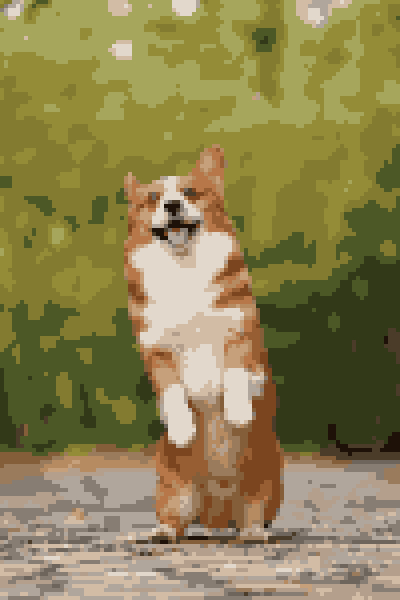
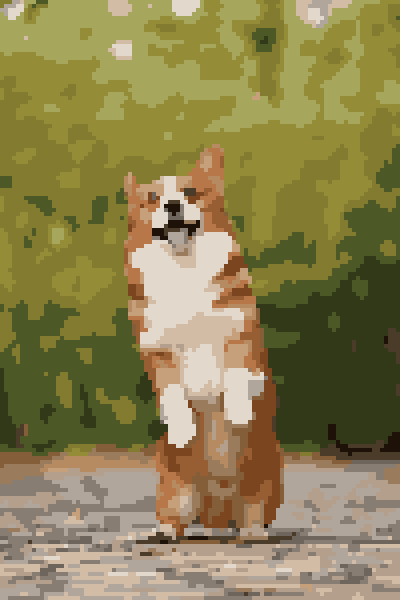
For these measurements, confetti has a narrow meaning: a single stitch with no matching colour directly above, below or beside it. A diagonal match does not join it. Stitchers may also call a small group confetti. That wider meaning is useful when planning the work, but it is not the count in our evidence.
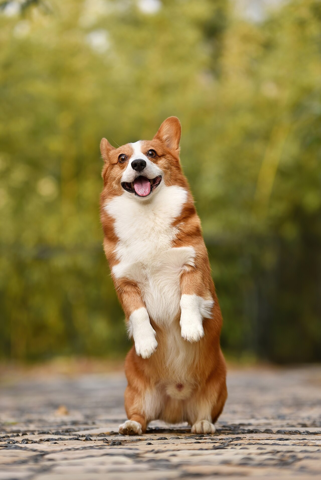
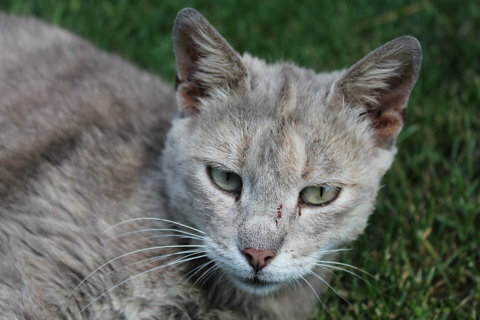
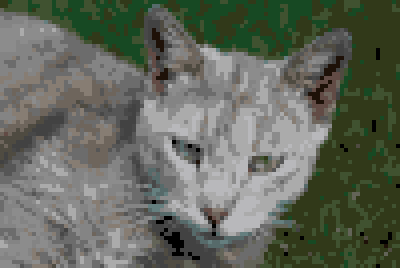
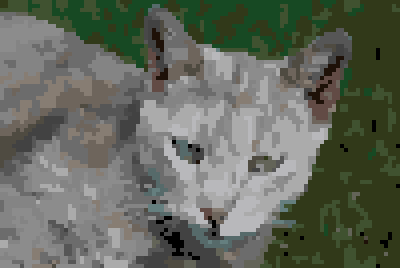
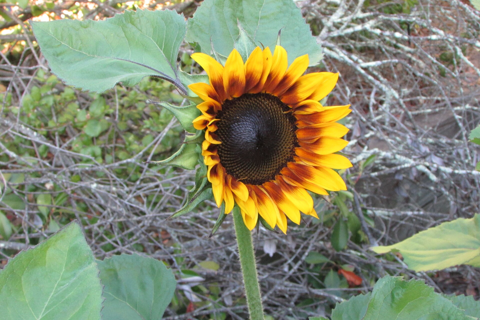
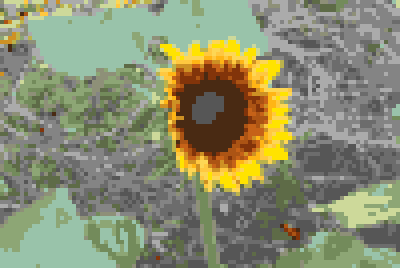
Three photos, one set of settings
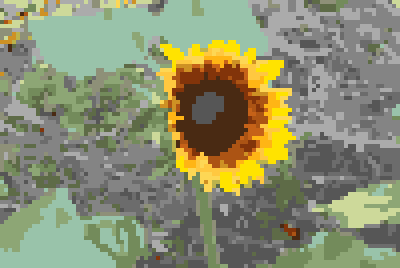
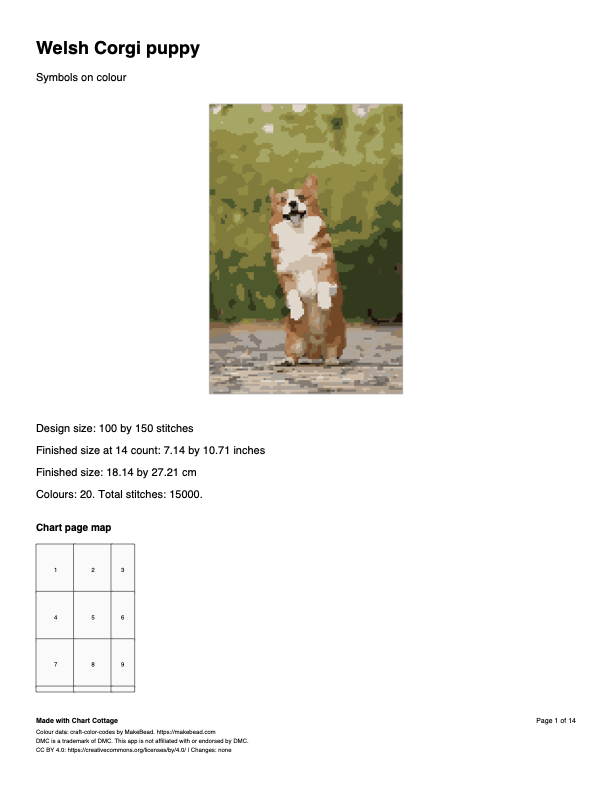
The corgi has broad patches of fur and a quieter background. The cat includes grass and softer edges. The sunflower starts with many isolated marks in its seed head. Each conversion uses the whole source photo at the same width and colour limit, with dithering off. Each after view cleans its exact before grid.
The sunflower still has scattered squares after the pass. That is a useful limit to see. These figures measure isolated stitches; they do not measure beauty, likeness or time saved. The previews let you decide whether the trade-off suits the subject.
Fix the chart in passes
Start with a copy. Look at the plain background first and merge marks that add no shape. Work a small area at a time. Pick a nearby colour that belongs to the same surface, rather than carrying a dark outline into pale fur. Recheck the full picture after every pass so small local edits do not flatten the subject.
Next, inspect the eyes, nose and sharp edges. Keep a single bright eye stitch if it gives the face its expression. Compare it with the source photo at the pattern's actual size. Texture that looks busy when enlarged can help the subject read from across a room.
Prevent work before you remove stitches
Try a tighter crop, a simpler background or a photo with clearer light. Changing the colour limit can also change the scattering, so compare results rather than assuming fewer colours will always help. Print a small section before committing to the whole piece. A chart that is calmer to follow should still look like the picture you chose.